Founding a Design Team and Growing a Culture







How I built a collaborative, high-output design team at RudderStack and helped design become a strategic business partner—through cross-functional rituals, clearer ownership, and measurable product outcomes.
An opportunity to do design differently
RudderStack was built by developers for developers. Design was an afterthought. When they did look to hire their first designer, it was in a production role. No one was expecting that design would ever be a thought leader. That's what I changed.

How I Built a Team
I've spent more than a few years of my career as the only creative in a startup. It's a great way to learn how to fight through ambiguity, but it can be lonely and uninspiring. When I got hired as the Head of Design at RudderStack, I took the opportunity to do things differently.
Collaboration at the Core
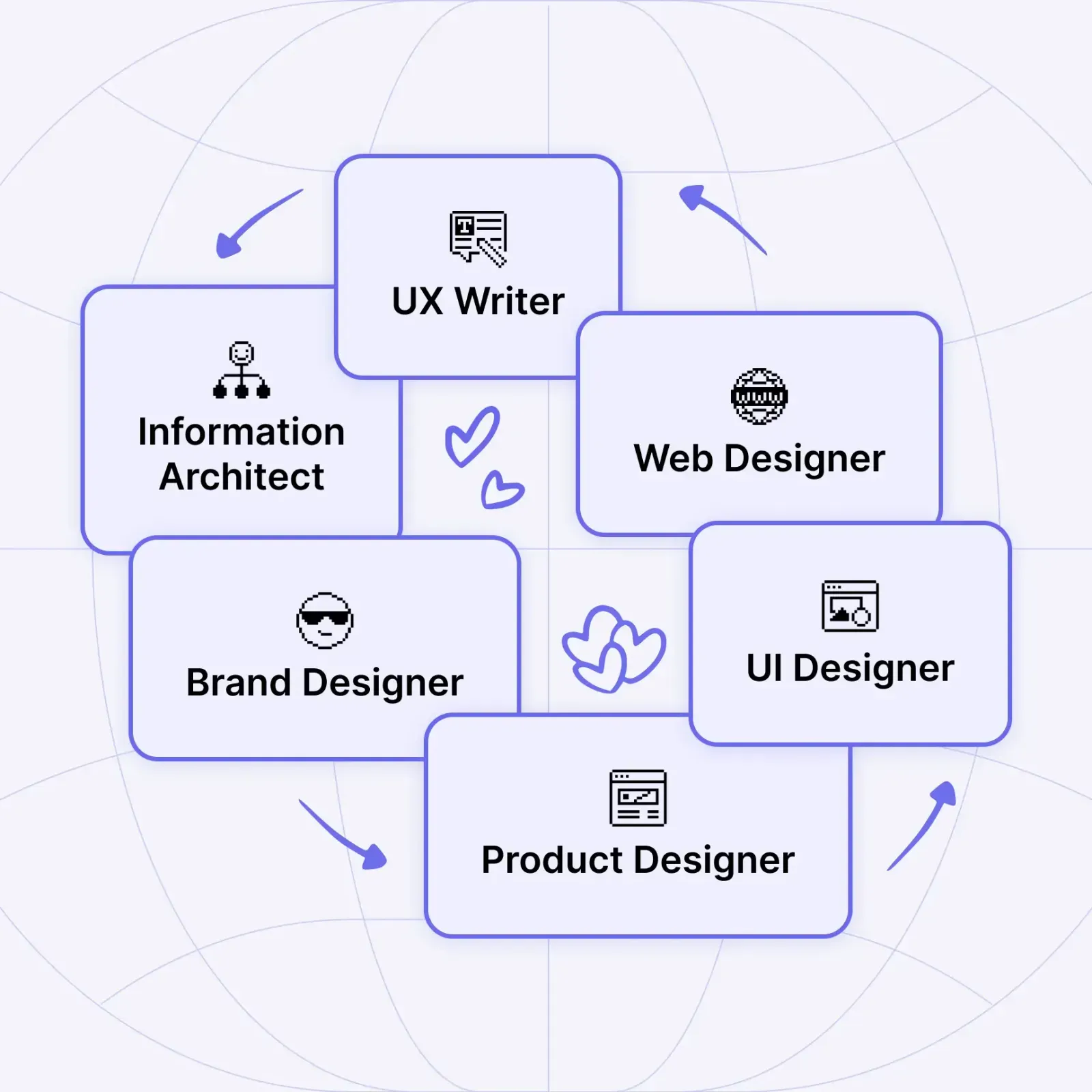
I didn't want designers to work alone in siloed pods. That's no fun, and when you're already outnumbered, it makes it even harder for creatives to have a voice. I built a cross-discipline team that tackled the problems of the product together. Each member owned a domain, and they all worked side by side throughout the project's lifecycle.
Being an Advocate
I wanted to be the manager I always wanted for myself. I focused my time on finding opportunities to show off my team's capabilities. Reworking processes to protect their time and quantify the value of it. Inserting myself into parts of the business I probably wasn't wanted in to create more continuity and cohesion across our marketing and product channels.
How We Work
None of the following is revolutionary. The processes I put in place helped cross-functional teams work more collaboratively and elevated Design to become a strategic business partner.
What we Build
We never build without evidence. Everything on the roadmap needs to have data (qualitative and/or quantitative) to assess the business value and the customer pain. We shouldn't do work that doesn't improve the customer experience or build the business.
Be a Part of the Backlog
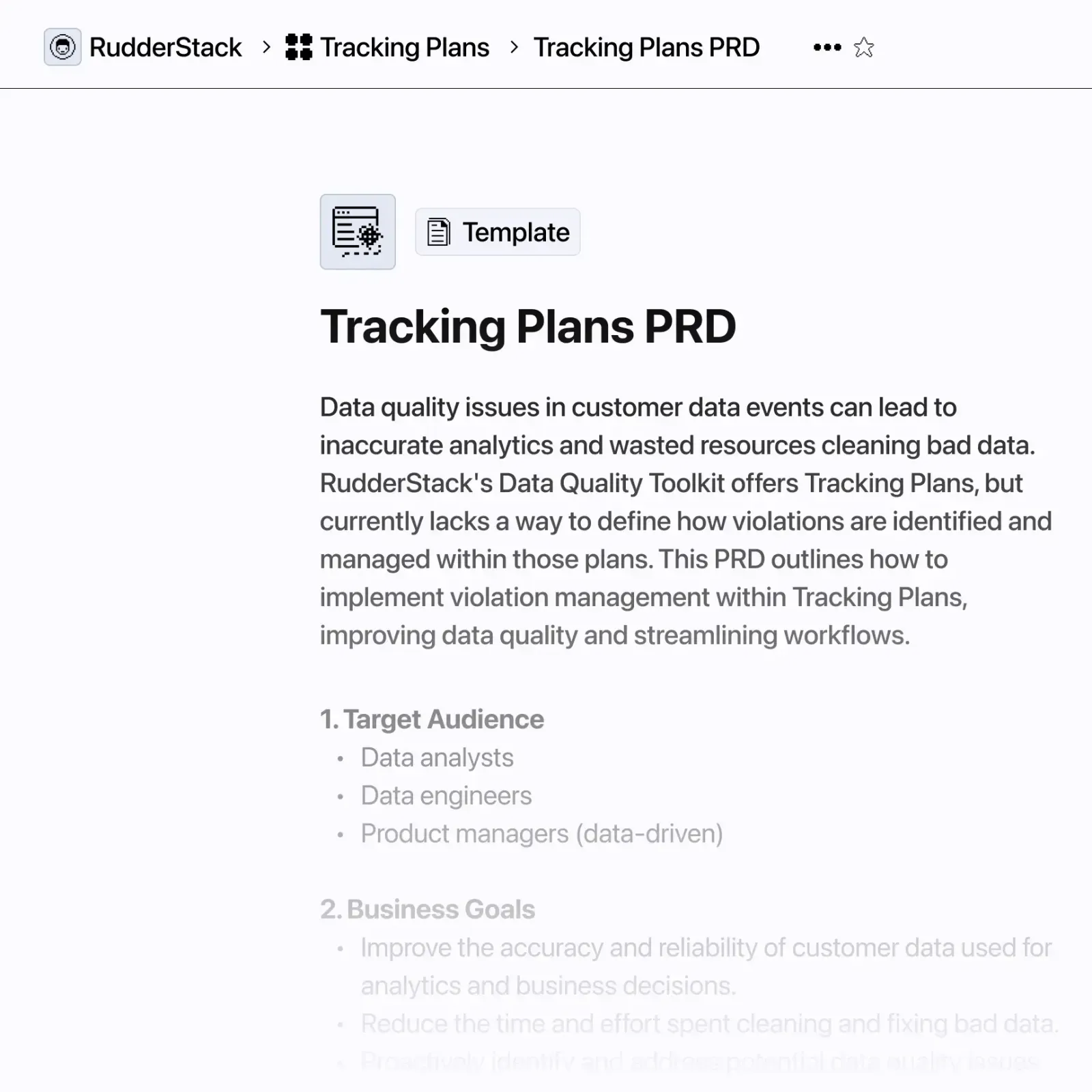
For design to be a strategic partner, we need to bring ideas to the table. Design has to look beyond the pixels and understand how we make money and how customers use the product. We have to be in the analytics, read the support tickets, and talk to our customers. If you don't intimately understand the problem, you can't create a good solution.
Designers Write and Groom Tickets
Design knows better than anyone the information needed for design. By writing and scoping our own tickets, Design is involved in strategic conversations earlier. We can shape the solution from the start, set more accurate—and reasonable—timelines so that we can make better work.
Designing the Product
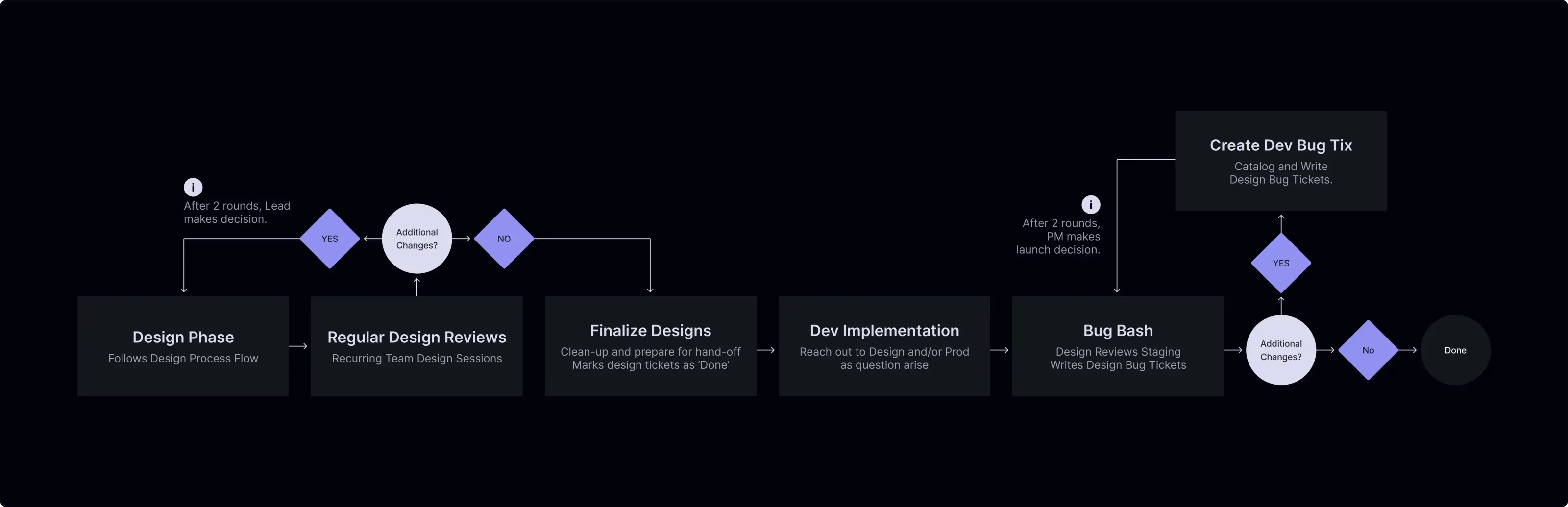
Design, this is what we know how to do. Once projects are scoped, the most impactful aspect to design is collaboration. Nothing is more important for design than feedback. My team has weekly internal design critiques, regular design reviews for each project, and company work shares. Design and Engineering need to work hand-in-hand, understanding what we're thinking, what is feasible, consistently checking each other's work.
Measuring Impact
Once a project is wrapped, we need to validate that our solution solved the problem. We set up tracking metrics on product launches and measure the impact.
How We Succeeded
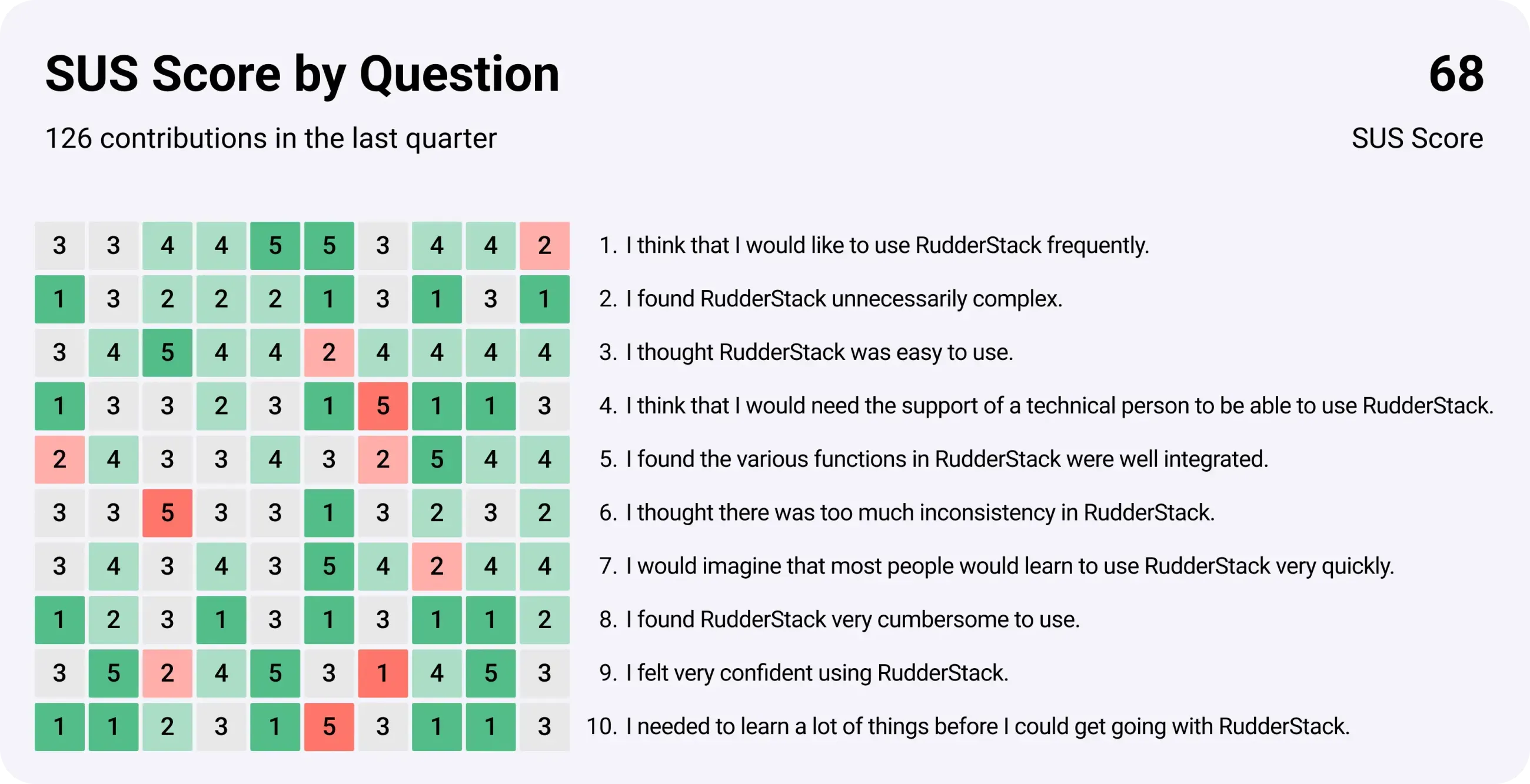
We use a lot of methods to track our effectiveness as a Design team. The System Usability Score (SUS) is how we measure whether the product we've designed is intuitive. It uses a set of 10 questions to gauge our customers' experience with our product.
Over 3 quarters, we improved our score from 62 to 68. A 6-point increase is a big jump for SUS. It shows that every quarter we made better work and improved our product experience.
- +6 point
Improvement of our System Usability Score over three quarters.
- 20%
Reduction in design-related bugs in production.
- 40%
Reduction in design cycle times, boosting productivity and quality.
- 60%
More time spent with customers in discovery research, interviews, and testing sessions.